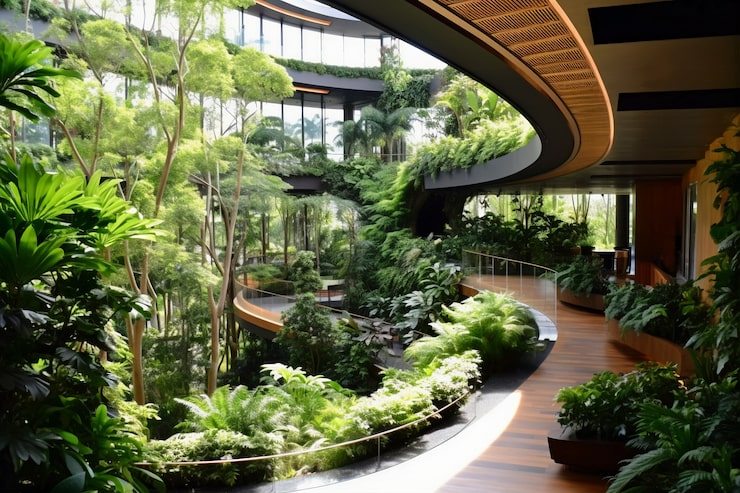
Biophilic design — the practice of incorporating natural elements and patterns into built environments — has moved from a niche architectural concept to a genuinely mainstream interior design principle, partly because the underlying research on how exposure to natural elements affects human wellbeing and stress levels is increasingly well-documented. It’s also frequently reduced to “add some plants,” which significantly undersells what the concept actually encompasses.
Natural Light Is the Foundation, Not an Afterthought
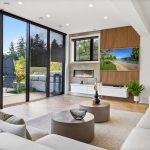
Before considering any decorative element, biophilic design prioritizes maximizing genuine natural light exposure — through window treatment choices that don’t unnecessarily block daylight, furniture placement that doesn’t obstruct natural light paths through a room, and where structurally feasible, additional window or skylight installation. Natural light exposure has measurable effects on circadian rhythm and mood that artificial lighting, however well-designed, doesn’t fully replicate.
Natural Materials Matter More Than Decorative Plant Placement Alone
Genuine wood, stone, and other natural materials used throughout a space — flooring, furniture, countertops — connect to biophilic principles in a more foundational way than houseplants alone, since these materials carry the visual and tactile texture, grain variation, and subtle imperfection that synthetic materials don’t replicate, even when visually similar at a glance.
Views of Nature Matter as Much as Plants Within the Home
Where possible, arranging furniture and sightlines to maximize views of any available outdoor greenery — even a single tree visible from a window — provides genuine biophilic benefit, sometimes more meaningfully than indoor plants alone, since the research behind biophilic design consistently shows real psychological benefit from outdoor nature views specifically.
Organic Shapes and Patterns Extend the Principle Beyond Literal Nature
Biophilic design isn’t limited to literal natural elements — curved, organic furniture silhouettes, patterns inspired by natural forms (botanical prints, water-inspired patterns, organic geometric shapes found in nature), and asymmetrical, less rigidly geometric layouts all tap into the same underlying principles, even in spaces where literal plants or natural materials are limited.
Water Elements Provide a Distinct Sensory Layer
A small indoor water feature, or even simply the sound of water through a sound machine or open window near natural water, taps into a different sensory dimension of biophilic design than visual elements alone, and auditory connection to natural sounds has its own documented calming effect distinct from purely visual nature connection.
Air Quality and Ventilation Are Genuinely Part of the Concept
Biophilic design includes genuine air quality considerations — adequate ventilation, air-purifying plants in appropriate quantities (a few plants won’t meaningfully purify a room’s air on their own, despite popular claims, but genuine ventilation and air quality management is a real component of the broader concept), and minimizing materials that off-gas synthetic chemicals into indoor air.
Houseplants Still Matter, Just as One Element Among Several
Houseplants remain a genuine, valuable component of biophilic design — they’re simply one element within a considerably broader framework rather than the entire concept. Choosing plants appropriate to your actual light conditions and genuinely caring for them (rather than accumulating struggling, neglected plants) matters more for real biophilic benefit than simply maximizing plant quantity.
Why the Broader Approach Matters
Applying biophilic design as a genuine, multi-layered philosophy — light, material, view, pattern, and air quality together — delivers considerably more of the documented wellbeing benefit than houseplants alone, even though plants remain the most visible and commonly referenced biophilic design element in casual conversation about the concept.