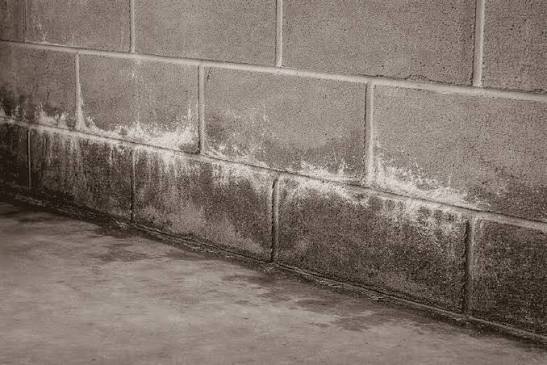
You have recently had a new concrete path, driveway, or slab put in. A white powdery film forms on the surface some days later. It might seem like something has gone very wrong. But often that residue is a common problem called efflorescence.
Those cracks may seem alarming, but they do not always necessarily mean that the concrete is faulty. Knowing why it occurs will help you figure out whether you need to clean, monitor, or consult a professional for it.
Why is There White Powder on Concrete?
When water flows through concrete, it carries dissolved mineral salts towards the surface which causes efflorescence. Its own water evaporates, leaving those salts behind as a white or grey deposit.
Old concrete has moisture content, so this is usually at the initial curing period of new concrete. It can be exacerbated by heavy rainfall, poor runoff, and high humidity.
The residue may appear as:
- A thin white film
- Powdery patches
- Crystalline deposits
- Random white spots on the surface
The appearance is diverse by the method of concrete, conditions and climate.
Is Efflorescence Bad Concrete?
Not necessarily. Typically, some surface efflorescence is more cosmetic than structural. This does not automatically indicate the slab is weak or unsafe.
For sure, deposits of that type can indicate continuous moisture transfer. The white residue may reappear after cleaning if the water persists in travelling through the concrete.
Which is why drainage around the slab matters. Prevent the water from piling up continually near or around relatively freshly poured concrete.
How Can You Remove It?
Surface deposits of light will diminish naturally, as it is affected by common weather phenomena and usage. You can do some gentle cleaning, but aggressive cleaning will damage new concrete.
Be not in haste to employ high-grade acid or severe chemistry. New concrete requires time to cure properly, and inappropriate cleaning products can impact its surface.
If the residue appears throughout the premises or reappears, consider asking your contractor to check the concrete and remaining drains as well.
Within concreting in Cheltenham, experienced professionals can advise on best curing practices, as well as drainage and finishing for the future.
Is the Real Issue Lack of Drainage?
In some cases, the white powder is just a visible sign that moisture levels in the concrete are high as well. Water could be coming in from your garden beds, sloping land, or improperly constructed drainage locations nearby.
This is especially critical in places where concrete borders lifted garden locations or structural landscaping. If this water runs poorly, it can put strain on the structures surrounding it and lead to a damp environment.
When combined with proper drainage considerations, well-constructed and designed retaining walls in Cheltenham on properties that have topographic changes can be an excellent way to control soil and water.
When Should You Be Concerned?
Traditionally, efflorescence itself is not considered an emergency. But if you also see cracking, spalling, sinking, or continuous moisture or pooling water − look again.
Surface salts signs may be a little more problematic. The earlier you have the area evaluated, the less likely a little leakage or construction issues will turn into something more expensive.
You can ask about drainage and moisture management, e.g., concreting; you do this before the concrete is poured. A lot of the issues later can be eliminated through good preparation.
A White Board Does Not Equal Fail
This apparent “white powder” on new concrete can be very irritating but is often caused by moisture moving salts to the top. Most of the time, it is just aesthetics and fades over time.
The key thing is to find out the reason behind the moisture’s presence. Under proper drainage, curing, and skilled installation, concrete can last for decades aesthetically and structurally.
In more complicated sites, retaining walls in Cheltenham might even be included as part of a more extensive drainage and landscaping approach. The proper design should take into account how the property will both look and how water will flow.