Open shelving has had a sustained moment in kitchen design, prized for the airy, visually open feeling it creates compared to wall-to-wall closed cabinetry. It’s also one of the more polarizing kitchen design choices, since it genuinely doesn’t suit every household’s actual daily habits — understanding the honest tradeoffs helps you decide if it’s right for your kitchen specifically.
The Genuine Visual Benefit Is Real
Open shelving does create a measurably more spacious, lighter feeling in a kitchen compared to floor-to-ceiling closed upper cabinets, particularly in smaller kitchens where visual openness matters more for perceived spaciousness. This isn’t purely aesthetic preference — there’s a genuine spatial perception difference between a kitchen with substantial open visual breathing room and one fully enclosed by cabinet doors.
It Requires Genuine, Ongoing Curation — Not a One-Time Styling Effort
The most common disappointment with open shelving comes from treating it as a one-time styling project rather than an ongoing commitment. Open shelves are visible at all times, meaning everything stored there needs to be both genuinely used regularly and visually appealing enough to display — this requires actual ongoing discipline about what goes there, not just an initial attractive arrangement that gradually accumulates daily-use clutter that wasn’t part of the original styled vision.
Dust and Grease Accumulation Is a Genuine Practical Downside
Open shelves, particularly anywhere near a cooking surface, accumulate dust and airborne kitchen grease considerably faster than enclosed cabinets, requiring more frequent cleaning of both the shelves themselves and anything displayed on them. This is a real, ongoing maintenance cost that’s worth honestly weighing against the visual appeal, particularly for households without much bandwidth for extra cleaning tasks.
It Works Best With a Genuinely Edited, Cohesive Collection
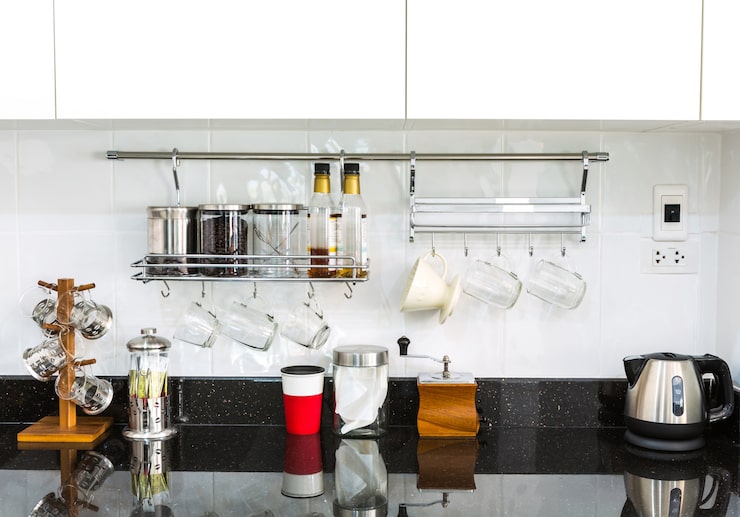
Open shelving looks intentional and beautiful when the items displayed share some visual cohesion — a consistent color palette of dishware, for instance, or a curated collection of items that genuinely belong together visually. It looks cluttered and accidental when it’s simply mismatched everyday dishware and kitchen items stored there by default rather than genuine display intention. This means open shelving sometimes requires either acquiring more visually cohesive everyday dishware or accepting that you’ll need closed storage for items that don’t fit the curated aesthetic.
A Hybrid Approach Often Delivers the Best of Both
Rather than choosing exclusively open or exclusively closed kitchen storage, many successful kitchen designs use open shelving for a smaller, genuinely curated portion of storage (perhaps near a coffee station or a specific display zone) while keeping the bulk of daily-use, less visually cohesive items in closed cabinetry. This hybrid approach captures much of open shelving’s visual benefit while limiting the ongoing curation burden to a smaller, more manageable area.
Consider Your Household’s Actual Daily Habits Honestly
A household that already tends toward minimal counter clutter and consistent organization will likely maintain open shelving successfully; a household with consistently busy counters and less daily organizational bandwidth will likely find open shelving becomes a source of visible clutter rather than the airy, curated look from design photos. This honest self-assessment matters more than the shelving’s aesthetic appeal in isolation.
The Practical Bottom Line
Open shelving is a genuine, valid design choice with real visual benefits, but it asks more of daily household habits than closed cabinetry does — it rewards households that already maintain visual order and curated possessions, and it can become a source of ongoing frustration for households where that’s not a natural daily habit.