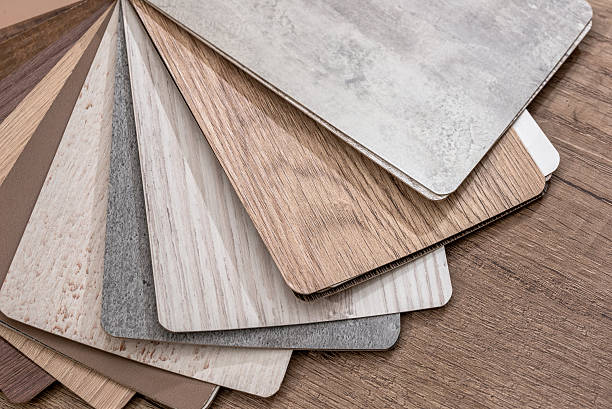
Laminate and engineered hardwood get compared constantly, and for good reason — both aim to deliver a wood-look floor at a more accessible price point than solid hardwood, but they’re genuinely different products with different strengths. Understanding the real distinctions, rather than relying on showroom appearance alone, leads to a better decision.
What Each Material Actually Is
Laminate flooring is a fully synthetic product — a high-resolution photographic image of wood grain printed onto a layer, sealed beneath a clear protective wear layer, all sitting atop a dense fiberboard core. Engineered hardwood, by contrast, uses a thin layer of genuine hardwood veneer bonded atop a plywood or high-density fiberboard core, meaning the visible surface is real wood rather than a printed image.
The Real Look-and-Feel Difference
Up close, genuine wood grain in engineered hardwood shows natural variation and texture that even high-quality laminate’s printed pattern can’t fully replicate, particularly under raking light that reveals genuine wood’s subtle texture versus laminate’s flatter surface. Underfoot, engineered hardwood also tends to feel slightly warmer and more substantial than laminate, a difference most people notice even if they can’t immediately articulate why.
Durability Comparison Depends on What You’re Worried About
Laminate’s printed wear layer resists scratches from pet nails and daily foot traffic quite well, often better than engineered hardwood’s softer wood veneer surface, which can show scratches and dents more readily depending on the specific wood species used. However, laminate cannot be refinished — once its wear layer is significantly damaged, that plank needs replacement. Engineered hardwood with a sufficiently thick veneer layer can typically be lightly sanded and refinished once, sometimes twice, extending its usable life considerably beyond a single damage event.
Water Resistance Favors Laminate, With Caveats
Standard engineered hardwood is more vulnerable to water damage than laminate, since real wood veneer can warp or stain from prolonged moisture exposure even with a protective finish. Some modern laminate products are specifically engineered with water-resistant cores, making them a more practical choice than engineered hardwood for kitchens or other moisture-prone areas, though neither is genuinely waterproof the way rigid-core vinyl is.
Cost Difference Is Substantial
Laminate flooring typically costs meaningfully less than engineered hardwood, often by a significant margin for comparable quality tiers, which makes it the more accessible choice for larger spaces or tighter renovation budgets. Engineered hardwood’s higher cost reflects both the genuine wood material and generally more involved installation requirements.
Resale Value Consideration
Engineered hardwood is generally viewed more favorably by home buyers and appraisers than laminate, since it’s understood to be a genuine wood product rather than a synthetic substitute, which can matter if resale value is a meaningful consideration in your flooring decision, particularly for primary living spaces that buyers tend to scrutinize closely.
Where Each Genuinely Makes Sense
Laminate suits budget-conscious projects, rental properties, high-traffic areas where scratch resistance matters more than the ability to refinish, and rooms with some moisture exposure where a water-resistant laminate product is available. Engineered hardwood suits primary living spaces where authentic material and refinishing flexibility matter, and where the higher upfront cost is justified by both the genuine material quality and potential resale value impact.
Article 6
Title: How to Choose Flooring Color That Won’t Look Dated in Five Years
Target Keywords: how to choose flooring color, timeless flooring color, flooring color trends, best flooring color for resale
Meta Description: Flooring is one of the most expensive, hardest-to-change decisions in a home. Here’s how to choose a color that genuinely stands the test of time, not just this year’s trend.
Article:
For a flooring investment you intend to live with for a decade or more, prioritizing a warm, mid-tone, relatively neutral color that’s tested well across multiple lighting conditions in your actual home will generally serve you better than chasing the specific tone currently trending in design Flooring is among the most expensive and disruptive things to replace in a home, which makes the color decision considerably higher-stakes than choosing a paint color you can easily redo. Trend cycles in flooring color move slower than most decor trends, but they do move — and a few principles help you choose something that holds up well beyond the current moment.
Mid-Tone Wood Has Genuinely Outlasted Trend Cycles
While very dark espresso-toned floors had a significant design moment, and very light, almost bleached wood tones followed as a reaction against that darkness, mid-tone wood — warm but not heavily orange, not stark white-washed — has consistently proven the most durable choice across multiple trend cycles. If genuine longevity matters more than current trend alignment, a warm mid-tone is the safest long-term bet.
Consider How the Floor Color Interacts With Natural Light
A flooring sample viewed under a showroom’s specific lighting can look meaningfully different once installed in your actual home’s natural and artificial light conditions. North-facing rooms with cooler, more blue-toned natural light tend to make flooring read cooler than the same product would in a south-facing room with warmer light — viewing large samples in your actual space, at different times of day, prevents an unpleasant surprise after installation.
Avoid Color-Matching Floor to Existing Furniture Too Precisely
Choosing flooring to match your current furniture’s exact wood tone is a common mistake, since furniture changes far more frequently than flooring does. A flooring color with a slightly different, complementary undertone gives you more flexibility to update furniture and decor over the years without the floor suddenly clashing with new pieces.
Avoid Trend-Driven Extremes for Whole-Home Flooring
Strongly trend-driven choices — very gray-toned wood-look flooring, for instance, which had a significant design moment but has begun to read as dated to design-attentive buyers — are riskier for large, expensive flooring installations than they are for smaller, easily changed decor items. Saving genuinely trend-forward color choices for smaller, lower-cost surfaces (a powder room, an accent area) limits your exposure if the trend fades faster than the flooring’s actual lifespan.
Consider the Whole-Home Flow, Not Just One Room
If multiple rooms in your home share sightlines — an open-plan kitchen and living area, for instance — choosing flooring color with the entire visual flow in mind, rather than room by room in isolation, produces a more cohesive, intentional-feeling result than mismatched tones that compete with each other across an open floor plan.
Resale Considerations Lean Toward the Middle
If resale value is a genuine consideration, real estate and design data consistently shows that warm-to-neutral mid-tone wood floors appeal to the broadest range of buyers, while strongly trend-specific or unusually dark or light extremes can actually narrow buyer appeal, since they read as a more specific, less universally appealing aesthetic choice to a broader pool of potential buyers.
The Practical Decision Framework
content, however appealing it looks in photos