Vinyl fencing has gone from a niche product to one of the most popular choices for residential yards. It promises a clean look that never needs painting, doesn’t rot, and won’t attract termites. Much of that reputation is deserved, but vinyl isn’t a single product with a single quality level. A well-made vinyl fence can look nearly new for decades, while a cheap one can yellow, crack, and sag within a few years. Knowing how vinyl behaves and what separates good products from bad ones makes the difference.
What Vinyl Fencing Actually Is
Vinyl fencing is made from polyvinyl chloride (PVC) extruded into hollow posts, rails, and boards. Quality products include UV inhibitors, most commonly titanium dioxide, mixed throughout the material to keep it from breaking down and discoloring in sunlight. The pieces are designed to slot together, so rails fit into routed holes in the posts and panels lock into the rails, often with few visible fasteners.
Because the color runs all the way through the material, scratches don’t reveal a different color underneath, and there’s no paint to peel.
The Real Advantages
- Low maintenance. Vinyl never needs staining, sealing, or painting. Washing it occasionally with water and mild soap keeps it looking fresh.
- No rot or insects. Unlike wood, vinyl doesn’t decay in wet soil or attract termites and carpenter ants.
- Consistent appearance. Every board matches, with no knots, splits, or color variation.
- Good privacy options. Interlocking tongue-and-groove panels create solid screens without the shrinkage gaps that open up in wood.
- Long service life. Quality vinyl fences commonly last several decades with minimal care.
The Limitations Worth Knowing
Vinyl isn’t the right answer for every property, and an honest look at its weak points helps set expectations.
Higher upfront cost. Vinyl usually costs more to buy and install than pressure-treated wood, though the lack of maintenance offsets some of that over time.
Thermal movement. PVC expands in heat and contracts in cold more than wood does. Rails need room to move inside the posts. A fence installed too tightly can bow in summer or pull apart in winter.
Brittleness in cold weather. In freezing temperatures, vinyl becomes less flexible. A hard impact from a ball, a snowblower, or a falling branch is more likely to crack it in winter than in summer.
Limited color range. Most vinyl fencing comes in white, tan, gray, and a handful of wood-look finishes. Very dark colors absorb more heat, which increases expansion and can lead to warping unless the product is specifically engineered for it.
Harder to repair in place. A cracked wood board can be replaced with a single piece of lumber from any store. A damaged vinyl component usually needs a matching part from the same manufacturer, so it’s wise to keep a few spare boards or note the product line.
Mildew in shady, damp spots. Vinyl doesn’t rot, but mildew and algae can grow on its surface in humid, shaded areas. It washes off easily, but it does need occasional cleaning.
How to Judge Vinyl Quality
Two fences that look similar in a showroom can perform very differently outdoors. Look for:
- Wall thickness. Thicker walls resist impacts and sagging. Thin, flimsy-feeling material is the clearest sign of a budget product.
- Virgin vs. recycled PVC. Many premium fences use virgin vinyl on the outer layer for color stability and UV resistance. Lower-grade products may use more recycled content on the surface, which can discolor sooner.
- UV protection. Ask whether the product contains UV inhibitors throughout, and how the warranty treats fading and yellowing.
- Reinforced rails. On longer spans and gates, bottom rails with aluminum or steel inserts prevent sagging.
- Warranty terms. Strong manufacturers offer long warranties that cover discoloration, cracking, and peeling, and some extend coverage to later homeowners.
Installation Makes or Breaks a Vinyl Fence
Even the best vinyl product depends on good installation. Posts must be set plumb, at the right depth, and in solid footings, because the hollow profiles have less rigidity than solid wood. Gate posts need internal reinforcement, usually a steel or aluminum insert, along with heavy-duty hinges designed for vinyl. Crews also have to allow for thermal movement and handle sloped ground correctly, typically by stepping panels down the grade rather than tilting them.
That’s why it pays to hire contractors who handle vinyl fence installation regularly instead of treating it like a wood fence with a different material. Vinyl assembles differently, expands differently, and fails differently when corners are cut.
Popular Vinyl Styles
- Privacy panels with interlocking boards for complete screening
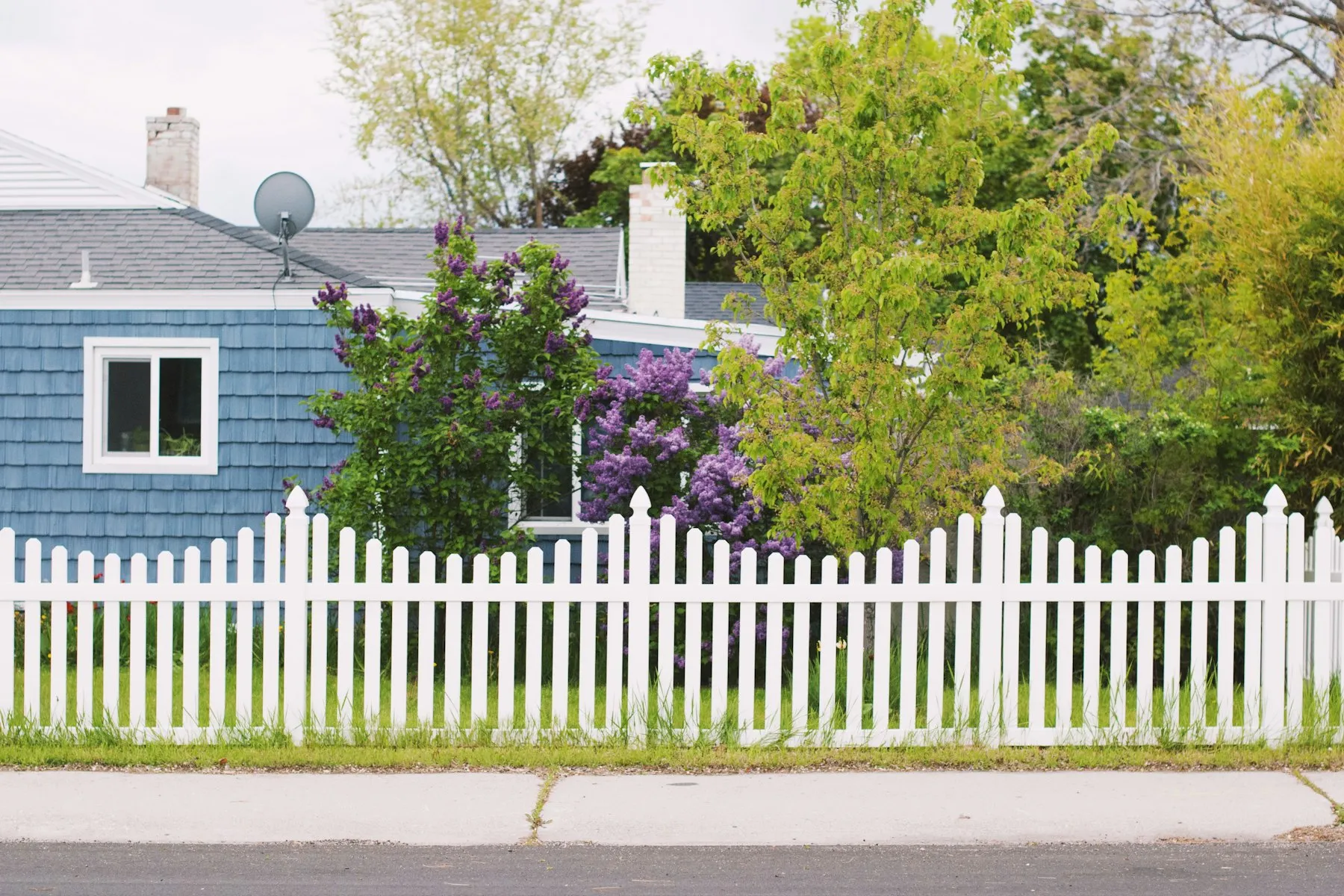
- Picket fences for a classic front-yard look without the repainting
- Ranch rail for large properties, paddocks, and open boundaries
- Semi-privacy and lattice-top designs that let in light and air
- Wood-grain textured vinyl that mimics cedar or weathered wood
- Horizontal vinyl for contemporary homes
Caring for a Vinyl Fence
Upkeep is minimal, but a few habits extend its life:
- Rinse the fence a couple of times a year, and use a soft brush with mild soap for stubborn grime.
- Treat mildew spots with a vinyl-safe cleaner instead of harsh solvents.
- Avoid pressure washers on high settings, which can etch the surface.
- Keep string trimmers away from the base, where they can scuff and crack the material.
- Check gates and latches occasionally and tighten hardware as needed.
Is Vinyl the Right Choice?
Vinyl suits homeowners who want a clean, consistent look and very little maintenance, and who are willing to pay more upfront for it. It’s especially practical in wet climates where wood rots and in yards where repainting would be a chore. It’s less ideal where impact damage is common, where homeowners want natural wood character, or where budget is the deciding factor. Choose a quality product, insist on careful installation, and a vinyl fence can be one of the most trouble-free features of a home’s exterior.