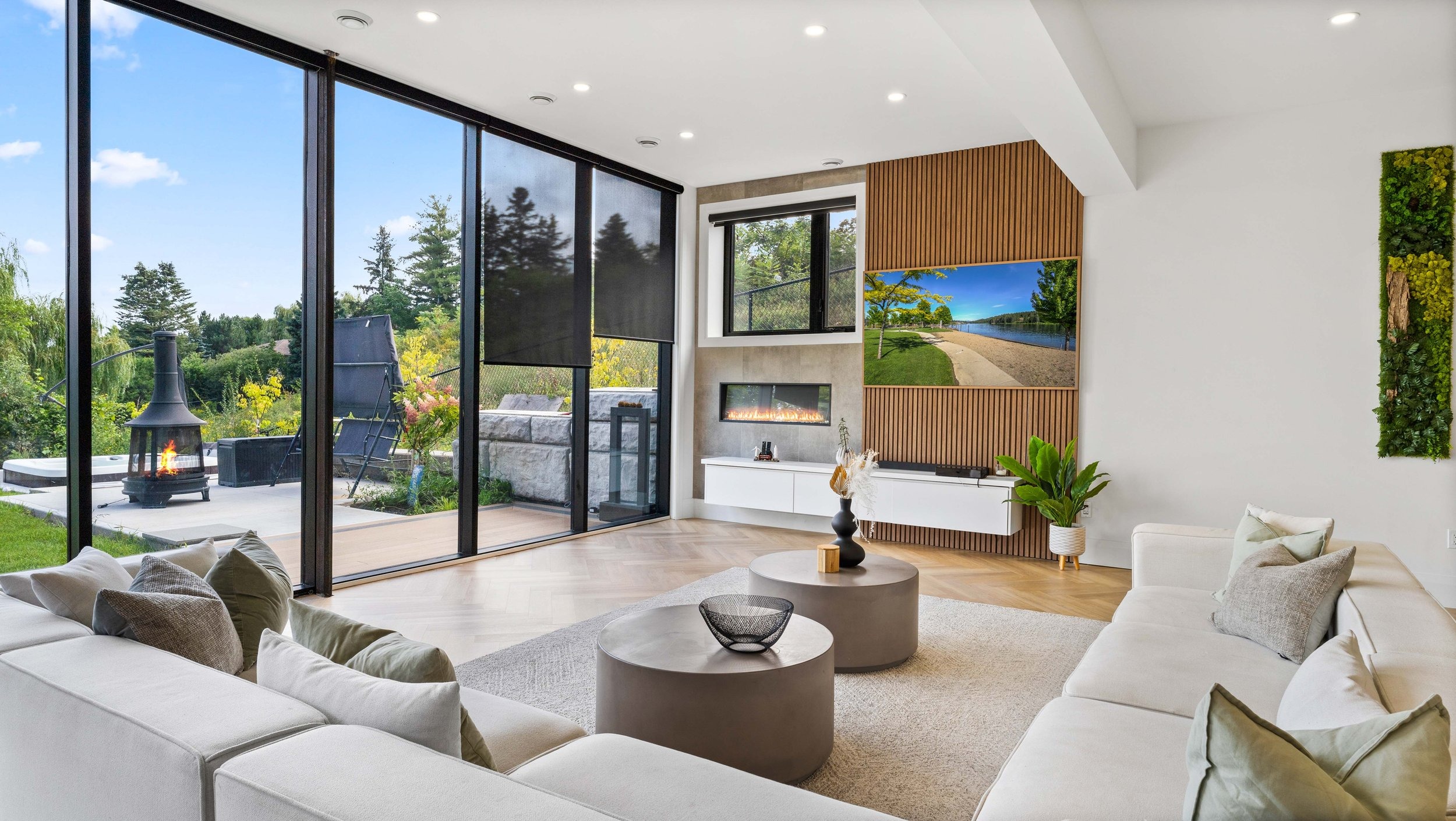
This is an essential element of independent living: looking for suitable housing arrangements. Unfortunately, there are two main choices available for eligible NDIS participants: the first being that they adapt their current home or move into a brand-new Specialist Disability Accommodation (SDA) property. There are several pathways; each provides unique advantages suited to an individual’s needs, goals, & accommodations.
Having a discussion with a trained NDIS home modifications builder in Sydney can help participants and their families determine which option may be the most feasible for them.
What are NDIS Home Modifications?
Home modifications are specific adaptations made to an existing home. The goal is to assist individuals to remain in a well-known location and also minimise obstacles to regular tasks.
Common modifications may include:
- Wheelchair ramps
- Accessible bathrooms
- Wider doorways
- Handrails and grab rails
- Kitchen adjustments
These adjustments will help people living with day-to-day life but also make the home more manageable.
What is SDA (Specialist Disability Accommodation)?
Specialist Disability Accommodation is a type of housing designed for eligible NDIS participants with the most extreme support needs or very significant dysfunction.
SDA homes are purpose-designed properties with adaptability already on the premises. The residence design category implements wider circulation spaces and assistive technology and also provides a layout that supports both disabled residents and support workers (funded by the National Disability Insurance Scheme).
Those identified to settle in one of these specialised houses by EESW should be suitable for an experienced community housing builder in NSW.
Home Modifications: When They Might Be the Right Way to Go
Changing an established home may be appropriate for participants who already live in a successful housing situation that can easily satisfy the changes.
This choice may provide some advantages, including:
- Remaining in a familiar neighbourhood
- Family and friends are important to keep close
- Improving independence
- Avoiding the need to relocate
- Utilising an existing home more effectively
The appropriateness of alterations is determined by the individual long-term needs and layout of the home.
When an SDA New Build is More Appropriate?
In some cases, there is insufficient home modification potential to accommodate very complex requirements of accessibility. For these cases, an SDA property might be the more logical enduring answer.
Most SDA homes are purpose-built to deliver increased independence, better mobility, and safety for residents.
This often requires consideration of ongoing support requirements now and in the future.
Professional Assessments are Important
Housing choices made under the NDIS should continue to be individualised rather than based on assumptions.
An experienced NDIS home modifications builder in Sydney, collaborating with therapists and other professionals, ensures that suggested changes are feasible, compliant with regulations, and aligned to the participants’ aspirations.
Good planning also eliminates the need to stonewall avoidable changes or cost replacement in the future.
Planning for Long-Term Living
Housing needs are subject to change over time. Families need to look beyond the immediate needs and towards how well the home will continue to meet the needs of their participant in years to come.
Similarly, an expert adviser that is potentially a community housing builder in NSW can help you to determine your exploration of the accessible homes build style standards & delivery methods for sustained independence.
Final Thoughts
Ultimately, the decision will come down to each participant individually based on their specific needs and circumstances, but also if it is a short or long-term solution. Someone may consider modifying a home they already know well to stay in their familiar environment, but an SDA property can offer tailored design for more complex support needs. With some expert guidance and careful evaluation of choices available, participants and their families can make housing decisions that ensure safety, independence, and improved quality of life.