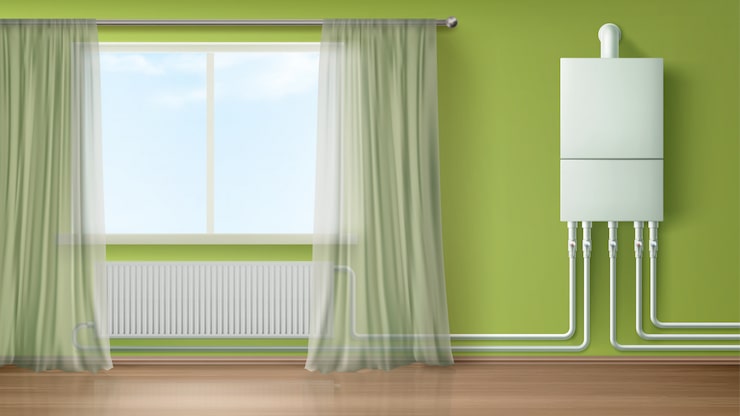
Tankless water heaters get marketed with genuinely appealing promises — endless hot water, energy savings, a smaller footprint than a traditional tank. Most of these claims have real truth behind them, but the full picture involves tradeoffs that marketing materials tend to understate.
How They Actually Work, Briefly
Unlike traditional tank water heaters, which continuously heat and store a large volume of water, tankless units heat water on demand as it flows through the unit, only when a hot water fixture is actually in use. This fundamental difference is the source of both their main advantages and their main limitations.
The Genuine Endless Hot Water Benefit, With a Real Caveat
Tankless units genuinely don’t run out of hot water the way a tank can during extended use (a long shower after the tank’s stored hot water is depleted, for instance), since they heat water continuously as needed rather than depleting a finite stored volume. The caveat is flow rate capacity — a tankless unit can only heat a certain volume of water simultaneously, meaning running multiple hot water fixtures at once (a shower and a dishwasher simultaneously, for instance) can exceed a single unit’s capacity, requiring either a larger unit or multiple units for larger households with high simultaneous hot water demand.
Energy Savings Are Real But Often Overstated in Marketing
Tankless water heaters do generally use less energy than traditional tank heaters, since they’re not continuously maintaining a large volume of heated water around the clock (an effect called standby heat loss in tank systems). However, the actual energy savings percentage varies considerably based on household hot water usage patterns, and the marketing-cited savings figures often represent a best-case scenario rather than what every household will actually experience.
Upfront Cost Is Genuinely Higher, Sometimes Significantly
Tankless units typically cost more upfront than comparable traditional tank water heaters, both in unit cost and often in installation cost, particularly if your home’s existing gas line or electrical capacity needs upgrading to support a tankless unit’s higher instantaneous demand. This higher upfront investment needs to be weighed against the long-term energy savings, and the payback period varies considerably based on your specific household’s hot water usage and local energy costs.
Installation Requirements Can Be More Involved Than Expected
Gas-powered tankless units often require larger gas lines and proper venting than a comparable tank system, while electric tankless units can require significant electrical capacity that older homes’ panels may not currently support without upgrade. This installation complexity is a genuine factor in total cost that’s worth getting a specific quote for, rather than assuming installation costs comparable to a straightforward tank replacement.
Lifespan Genuinely Favors Tankless Units
Tankless water heaters typically last considerably longer than traditional tank units — often 20 years or more compared to a tank’s typical 10-15 year lifespan — which is a genuine long-term value factor worth weighing against the higher upfront cost, since you’re likely avoiding at least one full replacement cycle that a comparable tank system would require over the same period.
Maintenance Requirements Are Different, Not Necessarily Lower
Tankless units benefit from periodic descaling maintenance, particularly in areas with hard water, to prevent mineral buildup from affecting performance over time. This is a genuine ongoing maintenance requirement that’s sometimes glossed over in marketing focused on the “no tank to maintain” framing.
Who Genuinely Benefits Most From Switching
Households with consistently high hot water demand, particularly larger families where running out of hot water during a tank system’s depleted state is a regular frustration, tend to see the most genuine value from switching. Smaller households with modest hot water usage may see a longer payback period that makes the higher upfront cost a less clearly favorable decision, even though the technology itself performs as advertised.
The Honest Bottom Line
Tankless water heaters deliver genuine benefits in endless hot water and longer lifespan, with real but household-dependent energy savings, balanced against meaningfully higher upfront and potential installation costs. The decision genuinely depends on your specific household’s hot water usage patterns and how long you plan to stay in the home to benefit from the higher upfront investment.