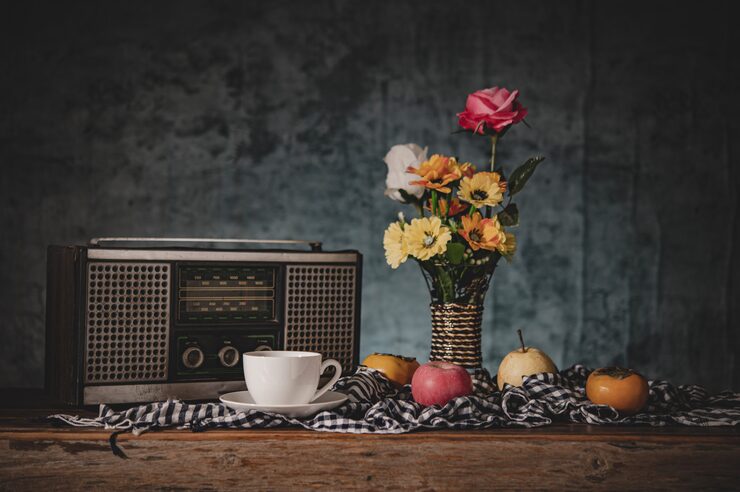
Vintage and antique pieces bring genuine character and history into a home that purely new furniture simply can’t replicate, but mixing eras successfully requires more intention than randomly placing an inherited piece next to contemporary furniture and hoping it works. A few specific principles consistently separate “thoughtfully curated” from “mismatched.”
Limit the Number of Distinct Eras in Any Single Room
The most common mixing mistake is incorporating pieces from too many distinct historical periods within one room simultaneously — a Victorian piece, a mid-century piece, and a contemporary piece all competing for attention reads as chaotic rather than curated. Most successful vintage-modern rooms work with primarily one dominant era (usually contemporary) accented by pieces from one, occasionally two, complementary vintage periods.
Repetition Makes Vintage Pieces Read as Intentional
A single vintage piece in an otherwise entirely modern room can read as an anomaly rather than a deliberate choice. Echoing the vintage piece’s material, color, or general aesthetic somewhere else in the room — even subtly, through a smaller accent object — signals to the eye that the vintage piece is part of an intentional design decision rather than a stray, disconnected object.
Reupholstering Bridges Old Forms With New Materials
A genuinely effective technique for incorporating vintage furniture into a contemporary home is keeping the original piece’s classic silhouette while reupholstering it in a more current fabric — a vintage wingback chair reupholstered in a clean, contemporary textured fabric retains its interesting historical form while feeling considerably more at home in a modern room than the original period upholstery would.
Vintage Lighting Is an Especially Forgiving Entry Point
Vintage and antique lighting fixtures tend to integrate into modern rooms more easily than vintage furniture, since lighting reads more as a sculptural accent object than a piece you’re living with daily. This makes vintage lighting a lower-risk, high-impact way to begin incorporating antique character into a primarily modern space.
Scale and Proportion Matter More Than Strict Period-Matching
A common error is focusing entirely on whether pieces are from “matching” or at least complementary historical periods, while overlooking whether the actual scale and proportion of a vintage piece suits the room. An oversized antique piece in a small modern room reads as awkward regardless of how beautifully it would work in a different setting — proportion and scale compatibility matter at least as much as stylistic era matching.
Patina and Imperfection Are Often the Point
Resist the urge to fully restore every vintage find to pristine, like-new condition. Visible age, wear, and patina are frequently what give vintage pieces their genuine character and warmth, and over-restoring them can strip away exactly the quality that made incorporating a vintage piece appealing in the first place, leaving something that simply looks like an oddly-shaped new object.
One Genuinely Excellent Piece Beats Several Mediocre Ones
A single, well-chosen vintage piece with genuine quality and character creates more impact, and is considerably easier to style successfully, than several lower-quality vintage finds scattered throughout a room. If budget or sourcing time is limited, concentrating effort on finding one excellent piece produces a better result than spreading thin across multiple mediocre ones.
The Underlying Philosophy
Successfully mixing vintage and modern decor isn’t really about following a strict formula — it’s about intentional restraint, thoughtful repetition of elements across the room, and genuine attention to scale, which together signal to anyone in the space that the mix was a deliberate design choice rather than an accident of inheritance or impulse thrift shopping.