Not having a yard stops a lot of people from gardening at all, which is a genuine shame given how much can actually be grown in containers on even a modest balcony or patio. Container gardening has real constraints compared to in-ground gardening, but it’s a fully legitimate way to grow meaningful amounts of food and flowers in a small space.
Container Size Matters More Than Most Beginners Expect
Undersized containers are the single most common cause of disappointing container garden results — root-bound plants in too-small pots struggle to access adequate water and nutrients regardless of how well they’re otherwise cared for. As a general guideline, most vegetables need at minimum a 5-gallon container, with larger plants like tomatoes and peppers genuinely benefiting from 10 gallons or more rather than the smaller pots they’re often started in at the garden center.
Drainage Is Non-Negotiable
Every container needs genuine drainage holes; a beautiful pot without adequate drainage will, with near certainty, eventually cause root rot regardless of how carefully you manage watering. If you fall in love with a decorative pot lacking proper drainage, use it as an outer decorative sleeve around a properly draining inner pot rather than planting directly into it.
Choose Varieties Bred Specifically for Containers When Available
Many vegetable varieties now come in compact or “patio” cultivars specifically bred for container growing — these tend to perform considerably better in confined root space than standard varieties bred for in-ground garden conditions. This is particularly worth seeking out for tomatoes, where standard varieties can grow quite large and become difficult to manage in container conditions.
Watering Frequency Is Genuinely Different From In-Ground Gardens
Container soil dries out considerably faster than in-ground soil, particularly in hot weather or with porous terracotta pots, often requiring daily watering during peak summer heat where an equivalent in-ground planting might need water only every few days. This is the most common adjustment new container gardeners need to make, and underestimating watering frequency is a leading cause of container garden disappointment.
Self-Watering Containers Solve the Consistency Problem
For anyone who travels frequently or simply struggles with consistent watering schedules, self-watering containers — which include a water reservoir that wicks moisture up to the root zone as needed — genuinely reduce the daily watering burden while improving consistency, which often produces noticeably better results for less daily effort than standard containers.
Light Assessment Matters as Much as in Any Garden
Before committing to specific plants, honestly track how much direct sun your actual balcony or patio space receives across a full day — most fruiting vegetables (tomatoes, peppers) need 6-plus hours of direct sun, while many herbs and leafy greens tolerate partial shade considerably better, and matching plant choice to your actual light conditions matters as much in containers as in any in-ground garden.
What Performs Particularly Well in Containers
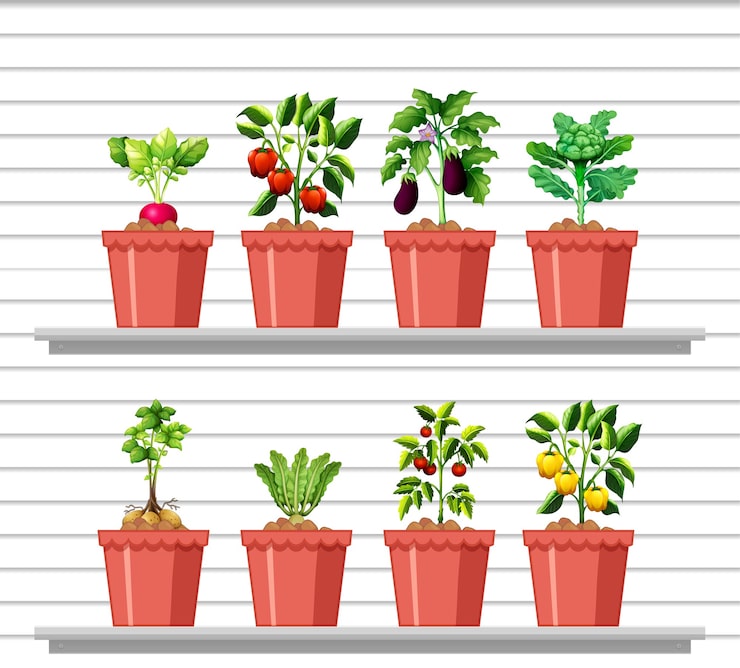
Herbs (basil, mint, rosemary, thyme), leafy greens, peppers, compact tomato varieties, and many flowering annuals all perform genuinely well in container conditions with appropriate pot sizing and consistent watering. Root vegetables requiring significant depth (carrots, in particular) are more challenging in standard containers but achievable with sufficiently deep pots.
Starting Realistically
Begin with two or three containers and plants you’ll genuinely use or enjoy regularly, rather than an ambitious full container garden in the first season. Learning how your specific space’s light, wind exposure, and watering needs actually behave with a smaller initial setup makes expanding successfully in subsequent seasons considerably easier than starting too large and becoming overwhelmed.