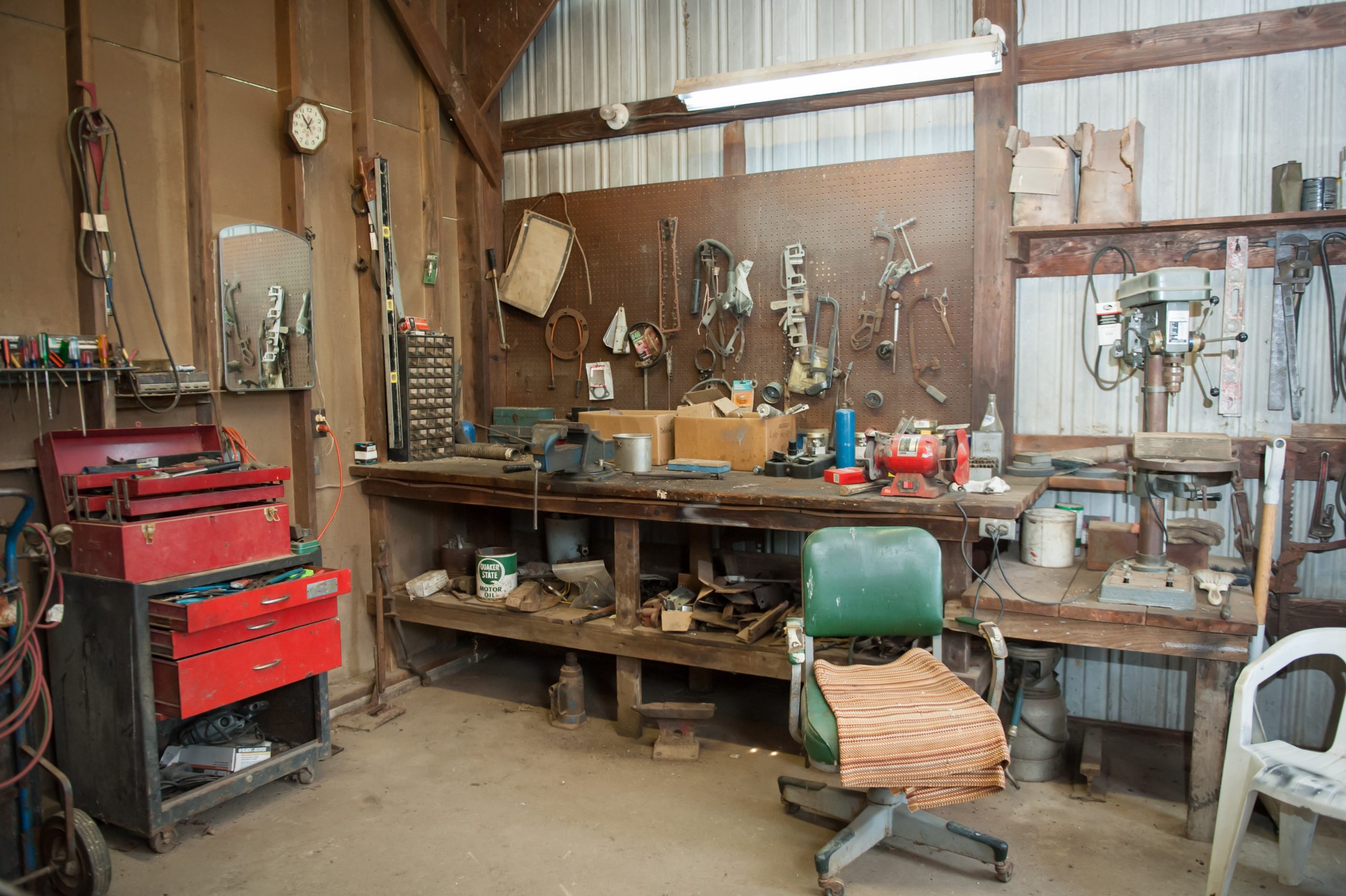
Garage organization has a particular failure pattern: an ambitious weekend project results in a beautifully organized space for a few weeks, and then gradually slides back into the same chaos within a few months. The systems that genuinely last share a few specific characteristics that more aspirational, less practical setups often miss.
Categorize Before You Buy Any Storage Products
The most common mistake is purchasing storage bins, shelving, and organizers before actually sorting through what you’re storing. Spend time categorizing items first — seasonal/holiday items, tools, sports equipment, automotive supplies, general overflow storage — since the right storage solution depends entirely on what specifically needs to be stored, not a generic “garage organization” product set.
Wall-Mounted Storage Outperforms Floor-Based Storage for Daily Use
Items stored on the floor, even in labeled bins, tend to become buried and forgotten faster than items stored at eye level on wall-mounted systems. Pegboard, slat wall panels, and wall-mounted shelving keep frequently used items visible and genuinely accessible, which directly affects whether the system gets maintained or abandoned over time — items you can see and easily reach get put back properly; items requiring you to dig through a floor-level bin often don’t.
Zone by Frequency of Use, Not Just Category
Beyond categorizing by item type, organize by how often you actually access something. Daily or weekly-use items (everyday tools, sports equipment used regularly) belong in the most accessible zones near the entry, while genuinely seasonal items (holiday decorations, off-season sports gear) can go in higher, less convenient storage since you’re only retrieving them once or twice a year anyway.
Overhead Storage Reclaims Genuinely Wasted Space
Most garages have substantial unused vertical space above where a car parks, and overhead storage racks — properly installed and rated for the weight involved — capture this space for genuinely seasonal or rarely accessed items without consuming any floor or wall space that daily-use storage needs.
Labeling Needs to Be Genuinely Functional, Not Just Tidy
Clear, specific labeling (not vague categories like “miscellaneous”) makes the difference between a system that gets maintained and one that slowly degrades back into a pile, since specific labels make it obvious where something belongs when you’re putting it away, which is the actual moment organizational systems succeed or fail.
Build In a “Landing Zone” for Items in Transition
Most garage organization failures happen because there’s no designated spot for items that are currently in use, about to be donated, or otherwise in transition rather than properly stored. A small, designated landing zone — even just a single labeled bin — for these in-between items prevents them from accumulating randomly throughout the rest of the organized space.
Schedule a Genuine Maintenance Check
Even well-designed systems drift over time as new items enter the garage and old organizational habits slip. A brief, scheduled check-in — even just twenty minutes every few months — to return drifted items to their proper zones prevents the kind of gradual chaos accumulation that eventually requires a full re-organization from scratch.
The Realistic Takeaway
The garage organization systems that actually last aren’t necessarily the most elaborate or expensive ones — they’re the ones designed around genuine, honest patterns of how you actually use the space, with accessibility matched to frequency of use.