Apartment tours are, by nature, a sales presentation — units are staged, lighting is favorable, and the person showing you around has every incentive to keep the conversation positive. Spotting genuine red flags requires looking past the staging to specific, telling details.
Water Stains Tell a Story Worth Investigating
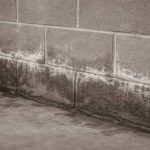
Discoloration on ceilings or upper walls, even painted over recently, often indicates a past or ongoing leak. Ask directly what caused it and whether it’s been fully repaired — a vague or evasive answer is itself a useful piece of information, and a specific, confident explanation with evidence of proper repair is a genuinely reassuring sign.
Test Every Faucet and Flush Every Toilet During the Tour
Low water pressure, slow drainage, or a toilet that runs continuously after flushing are all worth testing directly during a viewing rather than assuming everything works based on appearance alone. These are also useful, low-stakes ways to gauge how responsive the property is to maintenance — if a minor issue like this is visible during a tour and hasn’t been addressed before showing the unit, it’s a reasonable signal about ongoing maintenance responsiveness.
Check Cell Signal and Actual Internet Options, Not Just Listed Ones
Standing in the actual unit and checking your phone’s signal strength takes ten seconds and reveals something a listing never will, particularly in older buildings with dense construction that can meaningfully weaken signal. Separately, confirm which internet providers genuinely service that specific building (not just the general neighborhood) — some buildings have exclusive provider agreements that limit choice and sometimes increase cost compared to what’s available elsewhere in the same area.
Smell Is an Underrated Diagnostic Tool
A musty smell, even faint, can indicate hidden mold or moisture problems that aren’t visually obvious yet, particularly in basement or ground-floor units. Trust this instinct — smell is often the earliest indicator of moisture issues that become visually apparent (and considerably more expensive to address) only later.
Ask to See the Lease Before Committing to Apply
A landlord or property manager reluctant to show you the actual lease document before you submit an application and pay any associated fees is a meaningful red flag. Reasonable landlords have no issue sharing lease terms upfront, and seeing the document in advance lets you review the actual terms — not just what’s verbally described — before committing time and application fees.
Look at the Building’s Common Areas, Not Just Your Unit
Hallways, mailrooms, and shared entryways that are poorly maintained, despite an individually staged and well-presented unit, suggest the building’s overall management may not prioritize upkeep consistently. A beautifully renovated individual unit inside a neglected building is a specific pattern worth noticing, since it can indicate a property that prioritizes turnover-ready units over genuine ongoing maintenance.
Ask Current Tenants Directly, If You Get the Chance
If you happen to encounter a current resident during your visit — in a hallway, parking area, or mailroom — a brief, genuine question about their experience living there often yields more honest information than anything in the official tour. Most people, asked directly and informally, will share a candid take on management responsiveness and any ongoing building issues.
The Underlying Principle
None of these checks take more than a few extra minutes during a tour, but collectively they reveal considerably more about a property’s actual condition and management quality than the staged presentation alone, which is precisely why experienced renters develop the habit of checking them every time.